The Short Answer
Cellular shades trap a layer of still air in their honeycomb cells, which insulates the glass in winter and blocks solar heat in summer. The U.S. Department of Energy reports that tightly fitted cellular shades can cut heat loss through a window by 40% or more in the heating season. In a Toronto condo with a wall of single glazed or older double glazed glass, they are the one window covering that lowers a bill.
Key Takeaways
- Windows are where a home loses a large share of its heat. The shade in front of them is the cheapest place to act.
- Cellular shades insulate because of the air in the cells, and only when they fit tightly to the frame.
- Double cell fabrics insulate more than single cell. Blackout cellular does both jobs in a bedroom.
- They pay back fastest on north facing glass, sliding doors and older windows.
Stand next to a Toronto condo window in January and you can feel it: cold pouring off the glass and the furnace running to keep up. In July the same glass is a radiator. Most window coverings do nothing about either. Cellular shades are the exception, and they are the one piece in our collection we sell on the bill as much as on the look.
How a cellular shade insulates
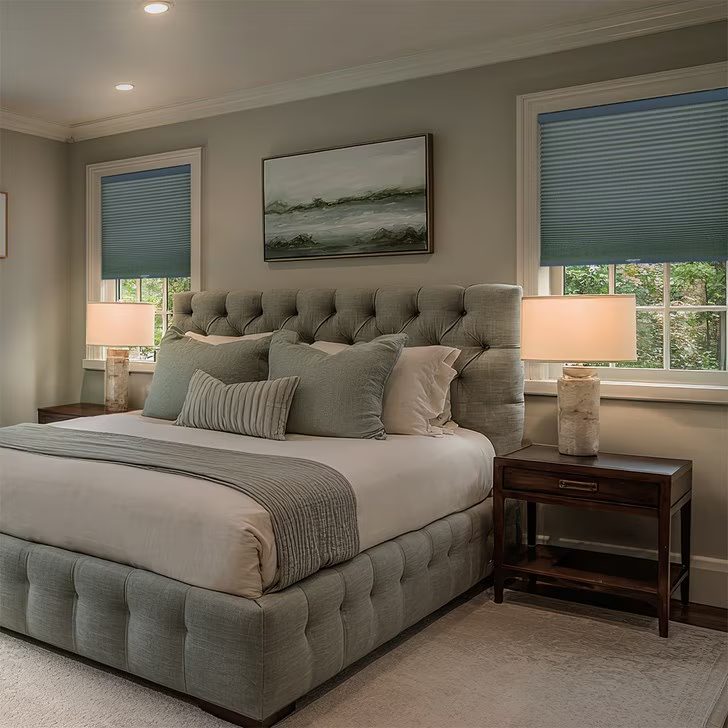
Look at a cellular shade from the side and you see a row of hexagonal cells, like a honeycomb. Each one traps a pocket of still air between the room and the glass. Still air is a poor conductor of heat, which is the same principle as a down jacket. A double cell fabric adds a second row of pockets and insulates more. Closed, tight to the frame, the shade becomes a soft layer of insulation across the coldest surface in the room.
What the research says
The U.S. Department of Energy states that in the heating season, tightly installed cellular shades can reduce heat loss through windows by 40% or more, which it puts at around 10% of heating energy, and that in the cooling season they can cut unwanted solar heat through windows by up to 60%. Natural Resources Canada has long pointed to windows as one of the largest sources of heat loss in a house. The shade in front of the glass is the least expensive place to act on that.
Where cellular shades pay back fastest
- North facing bedrooms that never see the sun and never feel warm.
- Sliding doors and balcony glass, the largest single sheet of cold in the suite. A vertical cellular runs across the door and stacks to the side.
- Older double glazed or single glazed windows in mid rise buildings and houses across the GTA.
- Rooms you heat or cool separately, a home office over a garage, a sunroom, a top floor bedroom.
Fit is the whole thing
A cellular shade insulates by sealing a layer of air against the window. A stock size with a gap down each side is a layer of air with a draft through it. We measure every opening at three heights and three widths and mount inside the frame, tight, so the cells do their job. This is not a shade to buy off a shelf.
Blackout, light filtering and top down bottom up
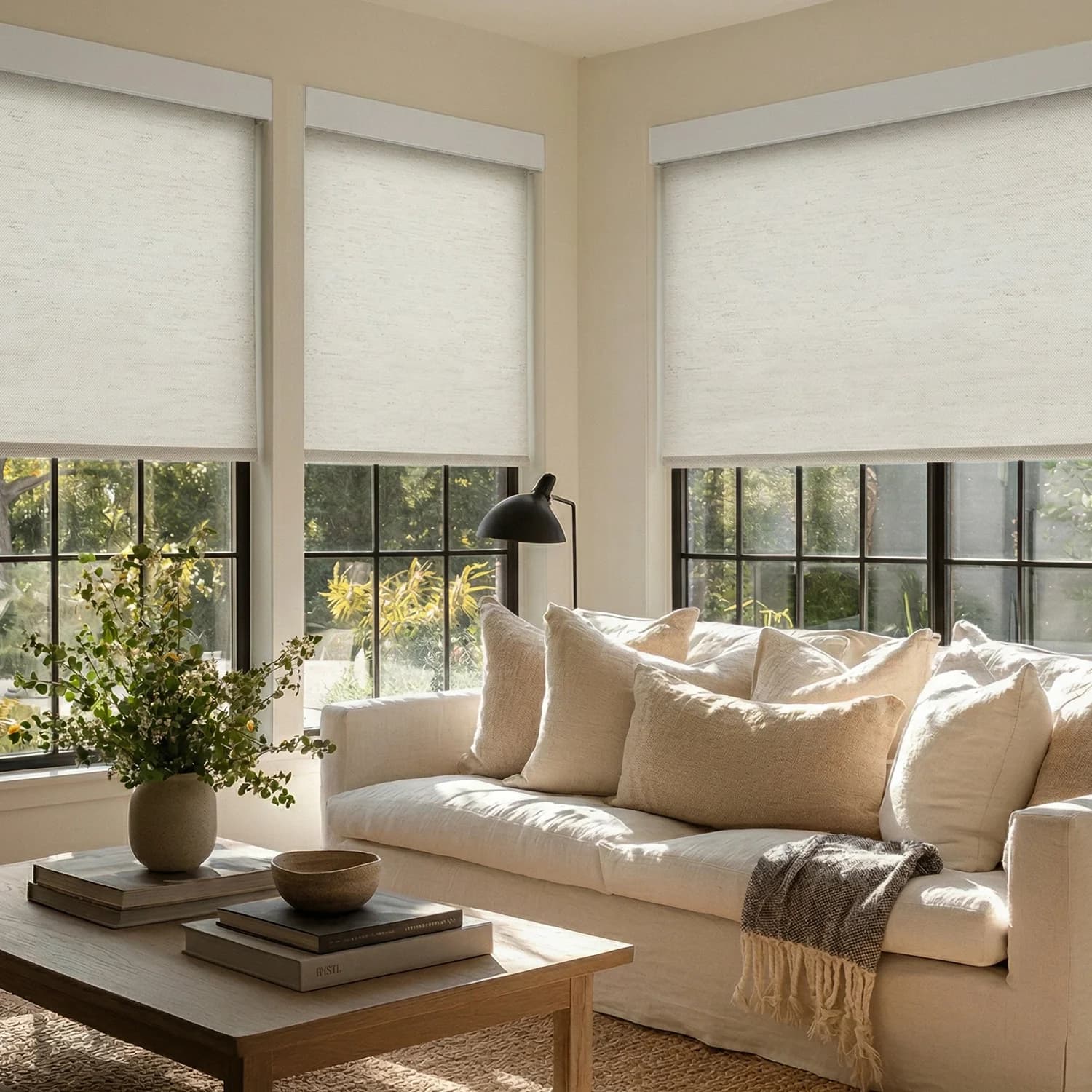
- Light filtering fabrics glow softly and are the pick for living spaces.
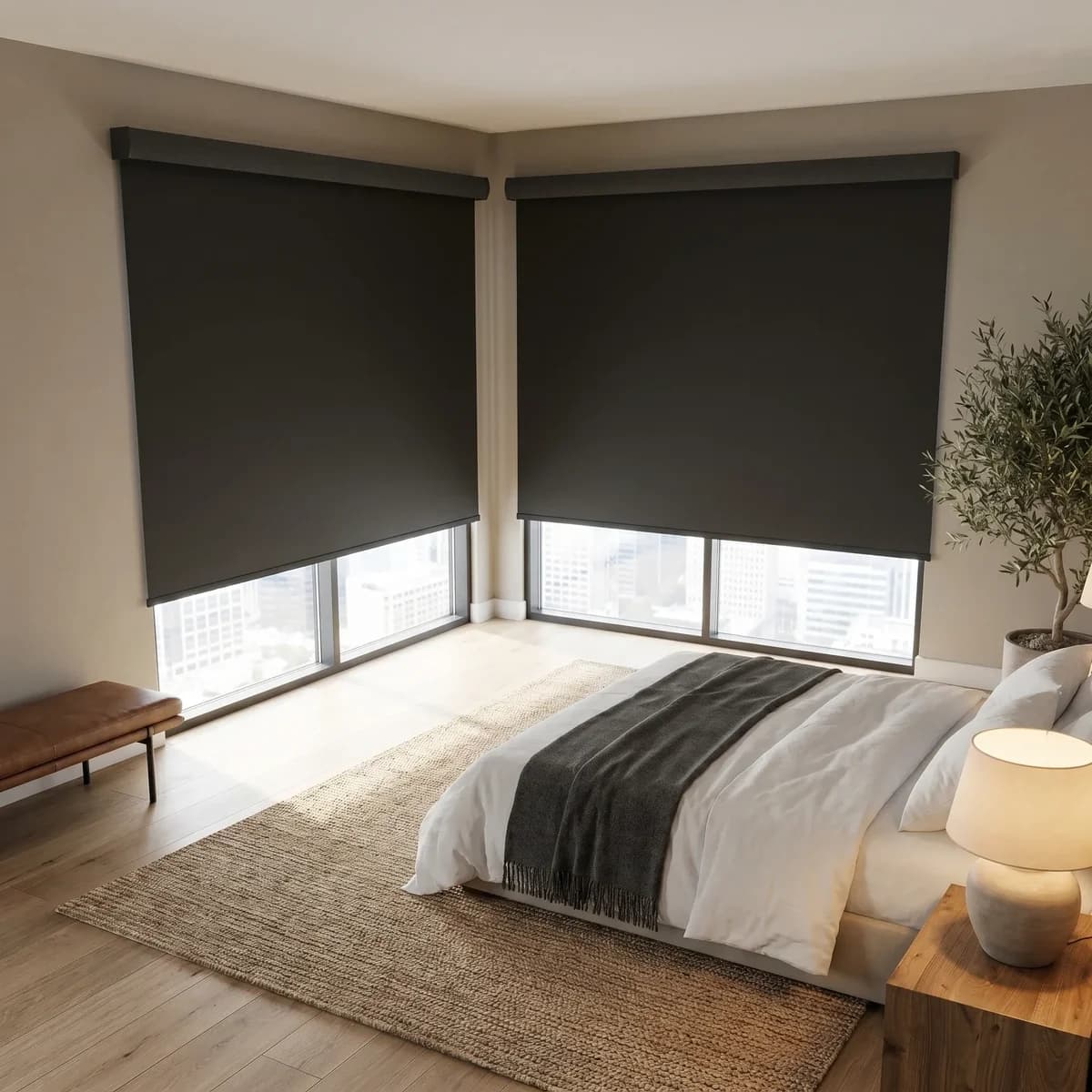
- Blackout cellular lines the cells so the shade insulates and darkens. It is our first recommendation for a cold bedroom.
- Top down bottom up lets you lower the shade from the top for light and privacy at once, ideal on a street level window in a house.
- Motorized cellulars on a schedule close at dusk when the glass goes cold and open for the morning sun. Set once, forgotten.
The look
Cellular shades were once the plain option. Today they come in a full range of linens, greys, charcoals and whites with a crisp pleat that reads as architectural. Stacked at the top of the window they nearly disappear. They suit a minimalist condo and a Victorian in Cabbagetown equally.
Winter is coming faster than the lead time
Two to three weeks from consultation to installation. Book in the autumn and the shades are up before the first serious cold. Book in January and you have already paid for a month of heating the sky.
Questions People Ask
Frequently Asked
Do cellular shades really save energy?
Yes. The U.S. Department of Energy reports tightly fitted cellular shades can reduce heat loss through windows by 40% or more in winter and cut solar heat gain by up to 60% in summer. The shade must fit the opening closely to achieve it.
Single cell or double cell?
Double cell insulates more and is the pick for cold glass, sliding doors and bedrooms. Single cell is slimmer and suits smaller windows and milder rooms.
Can cellular shades be blackout?
Yes. Blackout cellular fabrics line the cells so the shade insulates and darkens at once. It is our first choice for a cold, bright bedroom.
Can cellular shades go on a sliding door?
Yes. A vertical cellular shade runs across the door and stacks neatly to one side, insulating the largest sheet of glass in the room.